
A little reading.
A clearer game.
Hand breakdowns, practical ideas for your next game night, and notes from the team building Tells.
69 articles to explore

How to Ask for Poker Hand Advice That Gets Useful Answers
Give the complete hand, freeze one decision, state the uncertain range, and ask what would change the answer
Read story
What Is Dead Money in Poker? Meaning and Examples
Separate chips backed by a live hand from money already surrendered, then use the distinction to review price, pressure, and action order
Read story
What Is a Cooler in Poker? Meaning and Hand Review
Separate a strong-hand collision from avoidable overplay by reviewing the ranges, price, stack, and earlier decisions before the showdown
Read story
How to Review a Poker Hand You Won
Separate the favorable result from the decision, look for missed value and fragile assumptions, and keep one lesson you can reuse
Read story
What Is a Redraw in Poker? Meaning and Examples
Learn how a made hand can improve again, count a redraw without double-counting equity, and test whether the extra path is actually clean
Read story
Gutshot vs. Open-Ended Straight Draw: What Is the Difference?
See where each straight draw is missing a rank, why the usual count is four versus eight candidate outs, and how to compare the same time horizon
Read story
Set vs. Trips in Poker: What Is the Difference?
Both hands are three of a kind, but the hole-card and board construction changes card removal, shared holdings, kickers, and the ranges you should review
Read story
What Is a Backdoor Draw in Poker? Meaning and Examples
Learn what a backdoor draw needs, how it differs from a direct draw, how to calculate a two-card completion, and how to review it after the hand
Read story
What Is a Capped Range in Poker? Meaning and Examples
Learn what makes a poker range capped, why capped does not mean weak, how the board can reopen the top of a range, and how to review a complete example
Read story
What Is a Cold Call in Poker? Meaning and Examples
Learn why calling a raise without earlier voluntary investment is cold, how it differs from a limp-call or overcall, and how to review the full branch
Read story
What Is a Squeeze Play in Poker? Meaning, Sizing, and Example
See how an open raise, at least one call, and a later three-bet create the sequence—and how the extra player changes the pot, ranges, and SPR
Read story
What Is a Delayed C-Bet in Poker? Meaning and Examples
Learn what the flop check-through changes, which turn cards and hands support a later bet, and how to review the complete branch
Read story
What Is Limping in Poker? Open Limp, Overlimp, and Examples
Learn which preflop calls count as limps, what they change, and how to compare folding, raising, overlimping, and isolating after the hand
Read story
How to Review a Poker Fold After the Hand
Rebuild the price and betting range, compare the hands you beat, and reveal the result only after grading the decision
Read story
What Is a Double Barrel in Poker? Meaning and Examples
Treat the turn bet as a new decision by rebuilding both ranges, testing the new card, and planning for every response
Read story
How to Enter a Poker Hand Step by Step for Review
Preserve the context, cards, action order, and key decision before a fuzzy memory turns into a confident but inaccurate story
Read story
What Is a Probe Bet in Poker? Meaning and Examples
Learn when a later-street lead is a probe bet, what the checked-through street changes, and how to review the bet without assuming the opponent is weak
Read story
How to Review a Poker Bluff After the Hand
Rebuild the decision, name the better hands you targeted, check the price, and grade the plan before looking at the result
Read story
What Is a Float in Poker? Meaning and Examples
Learn why a player may call the flop with a plan to contest the pot later, which turn cards support that plan, and how to review the full sequence
Read story
What Is an Overbet in Poker? Size, Ranges, and Examples
Learn what makes a wager larger than the pot, how the size changes the caller’s price, and how to review the value and bluff branches
Read story
What Is a Donk Bet in Poker? Meaning and Examples
Understand the out-of-position lead into the prior-street aggressor, why the name does not grade the play, and how to review the full line
Read story
What Is a Semi-Bluff in Poker? A Practical Guide
Bet a hand that is behind now but can still improve, while keeping fold equity and the called branch in the same decision
Read story
What Is Equity Denial in Poker? A Practical Guide
See how a bet can make a hand fold before it realizes its chance to improve—and why that benefit is only one part of the decision
Read story
What Is a Blocker in Poker? Card Removal Explained
See how one known card changes the combinations an opponent can hold—and why the direction matters more than the label
Read story
What Is Pot Control in Poker? A Practical Guide
Plan pot growth with checks and smaller bets without confusing a smaller pot with automatic safety
Read story
How to Review a Multiway Poker Hand
Track every active seat, build ranges one player at a time, and compare the branches that heads-up shortcuts miss
Read story
How to Correct a Poker Hand History Before Analysis
Fix the facts that shape the decision, reconcile the action and pot, and preserve uncertainty when a detail cannot be recovered
Read story
What Is Showdown Value in Poker? A Practical Guide
Know when a hand can win by checking, when worse hands can call, and when turning it into a bluff gives up too much
Read story
What Is a Polarized Range in Poker? A Practical Guide
Separate the strongest value hands from bluffs, understand the missing middle, and review what a bet size represents
Read story
What Is Range Advantage in Poker? A Practical Guide
Compare both players' full distributions before turning a favorable board into a betting rule
Read story
How to Find Poker Leaks in Your Hand History
Turn a repeated question into a matched hand set, test the pattern, and save one narrow adjustment
Read story
What Is EV in Poker? How Expected Value Improves Decisions
Compare the weighted outcomes of each option instead of judging the choice by one result
Read story
How to Record a Poker Hand by Voice After a Live Session
Speak the context, cards, action, and decision in an order that is easy to verify before analysis
Read story
What Is Equity in Poker? How to Calculate and Use It
Measure your share of possible outcomes, compare it with the price, and keep the range assumption visible
Read story
What Are Outs in Poker? How to Count Them Without Double-Counting
Identify the cards that improve you, remove overlaps, test them against a range, and turn the final count into a probability
Read story
How to Give Useful Poker Hand Feedback
Check the facts, name the range assumption, explain one choice, and show what could change your answer
Read story
How to Choose a Bet Size in Poker: A Practical Framework
Match the size to your objective, the range you expect to continue, and the pot you want to create
Read story
What Is Board Texture in Poker? Dry, Wet, and Changing Boards
Describe the community cards precisely, connect them to both ranges, and update the texture on every street
Read story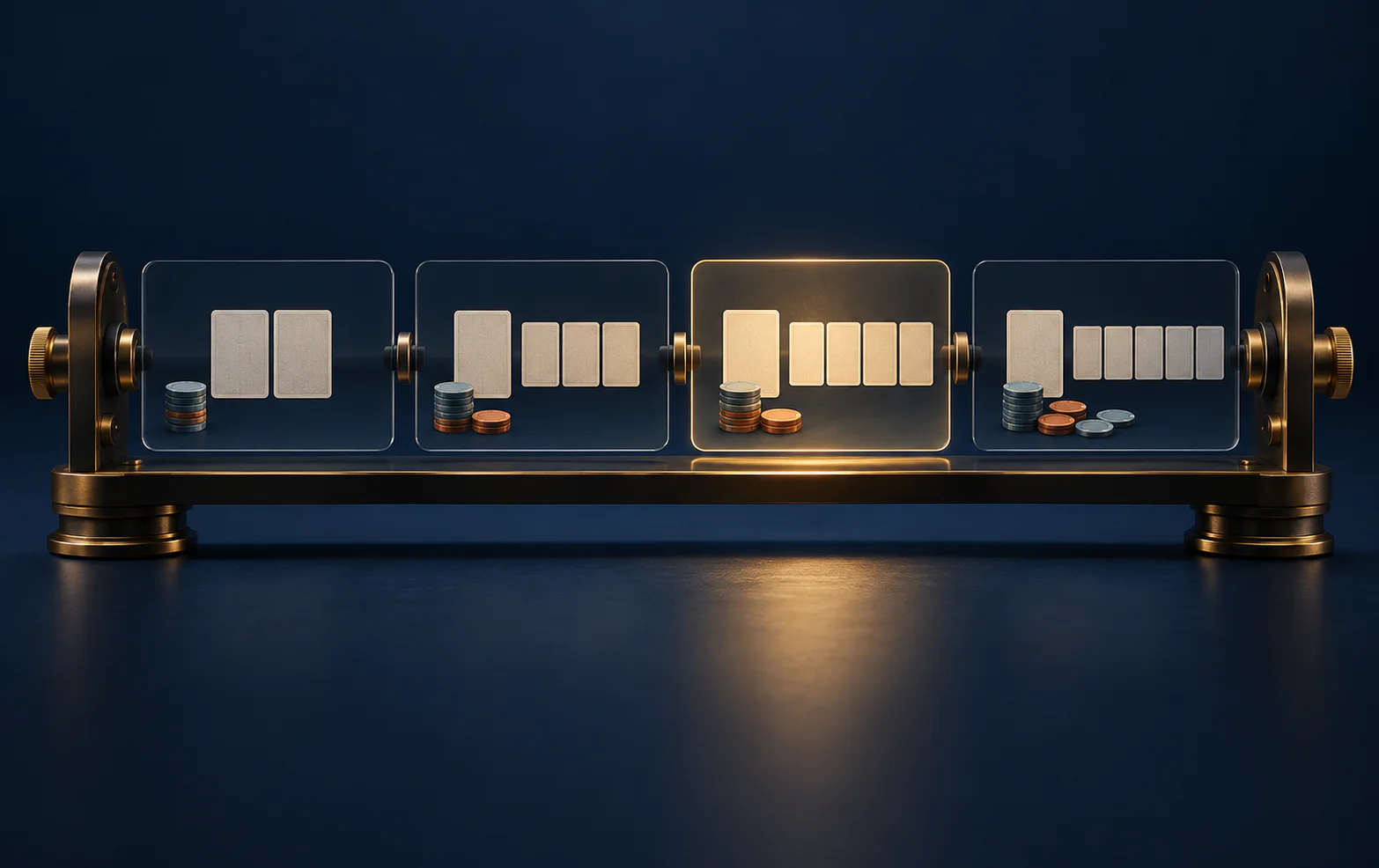
How to Replay a Poker Hand Step by Step
Rebuild the action in order, pause before the key choice, and turn one completed hand into a lesson you can reuse
Read story
What Is a Side Pot in Poker? A Three-Player Example
See why an all-in player can win one pot but not another, with a simple 20/50/50 BB example
Read story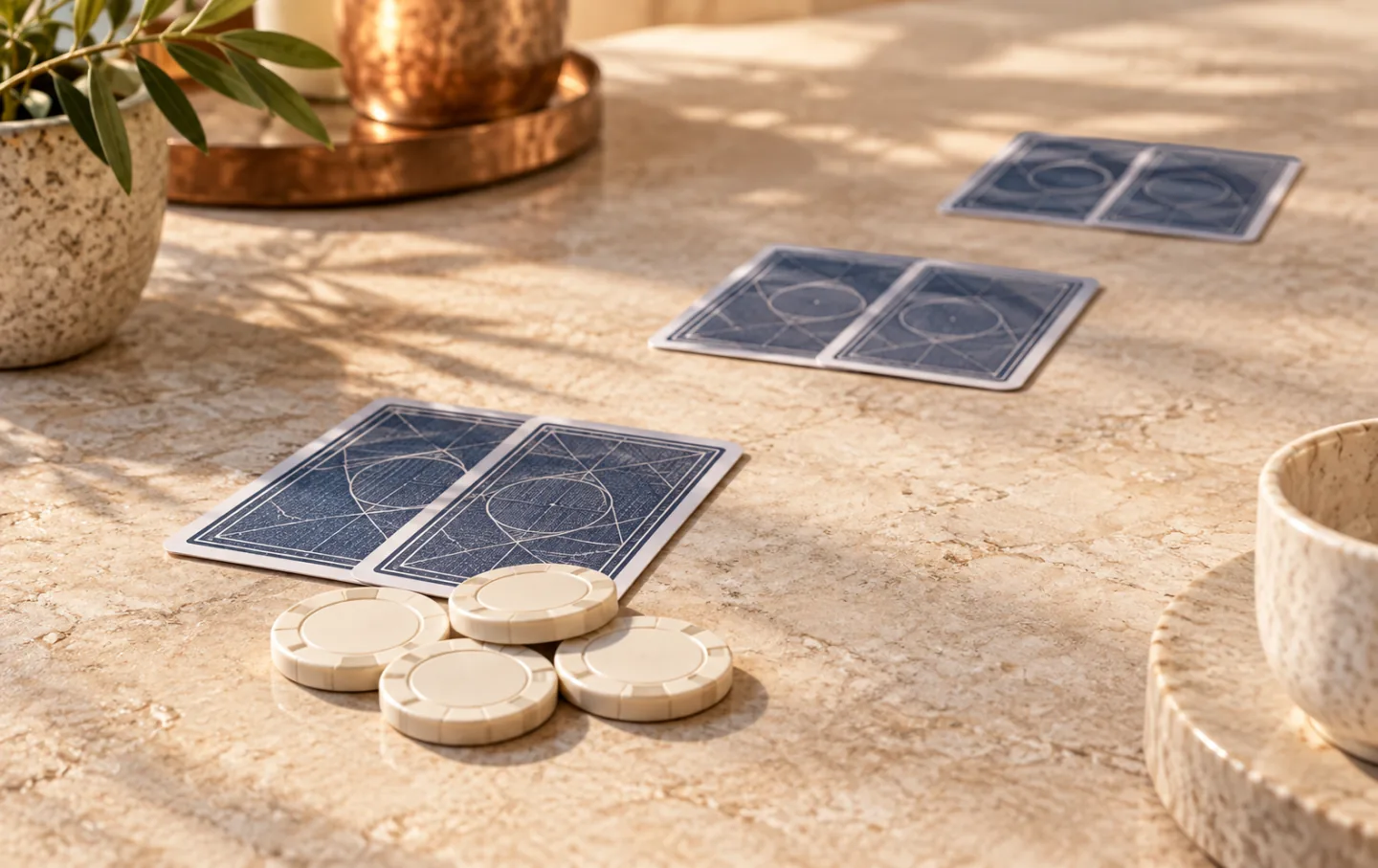
What Is a Value Bet in Poker? A River Decision Guide
Identify the worse hands that can call, compare sizes, and review the decision without judging by the result
Read story
How to Compare Similar Poker Hands for Study
Match the decision context, normalize the amounts, and identify what changes before carrying a lesson into another hand
Read story
What Is a Check-Raise in Poker? Meaning, Sizing, and Examples
Learn how the check-raise sequence works, what the raise is trying to accomplish, and how to review the next street
Read story
What Is a Bluff Catcher in Poker? Meaning and Examples
Learn when a made hand beats only bluffs, how the price sets the required bluff share, and how to review the call
Read story
What Are Implied Odds in Poker? A Practical Guide
Estimate future winnings, cap the estimate by the stacks, and discount for dirty outs and second-best hands
Read story
How to Review a Poker Session: A Practical Routine
Triage the hands that matter, review one decision without the result, and keep a lesson you can use next time
Read story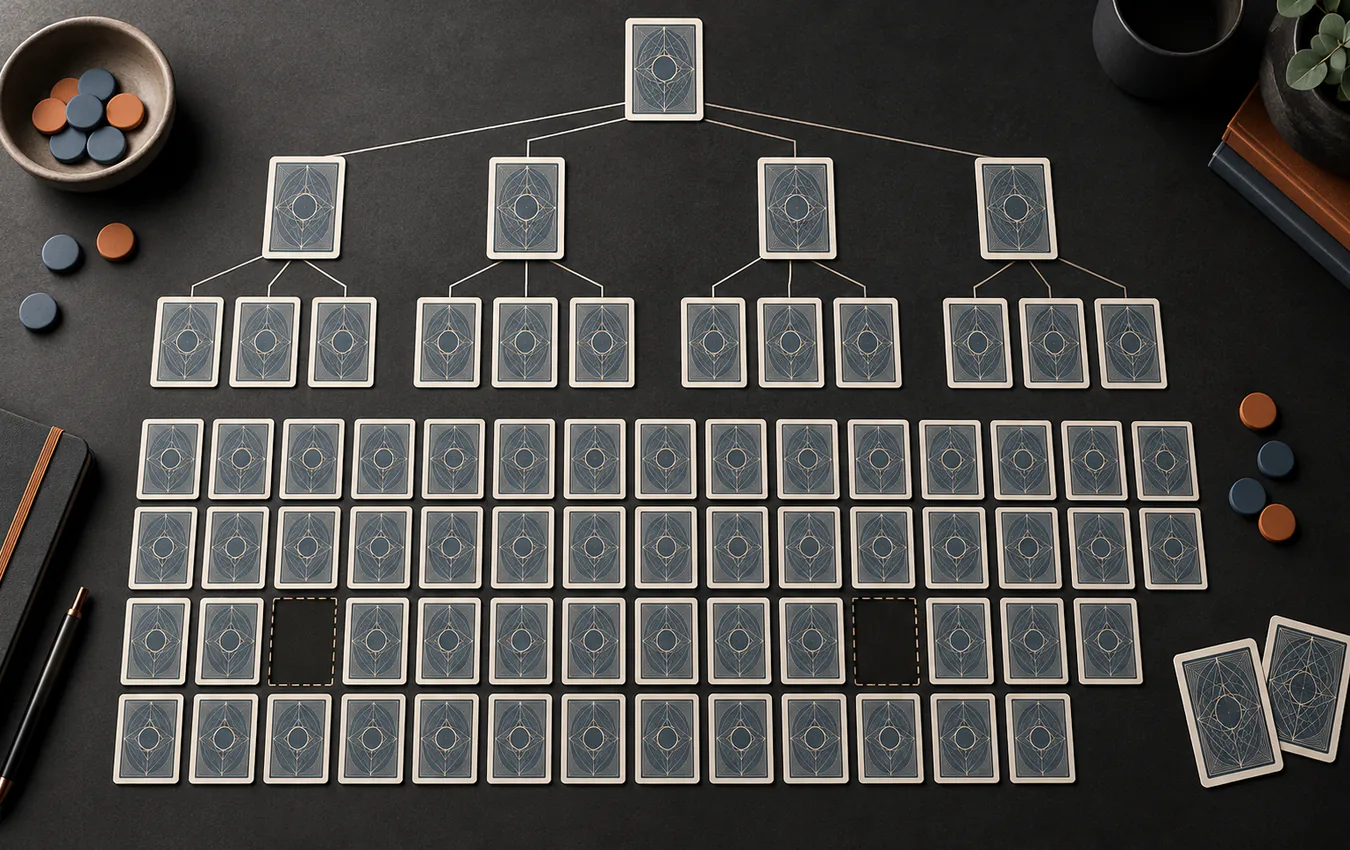
How to Count Poker Hand Combinations: A Practical Guide
Turn hand labels into exact holdings, account for known cards, and make range reviews more precise
Read story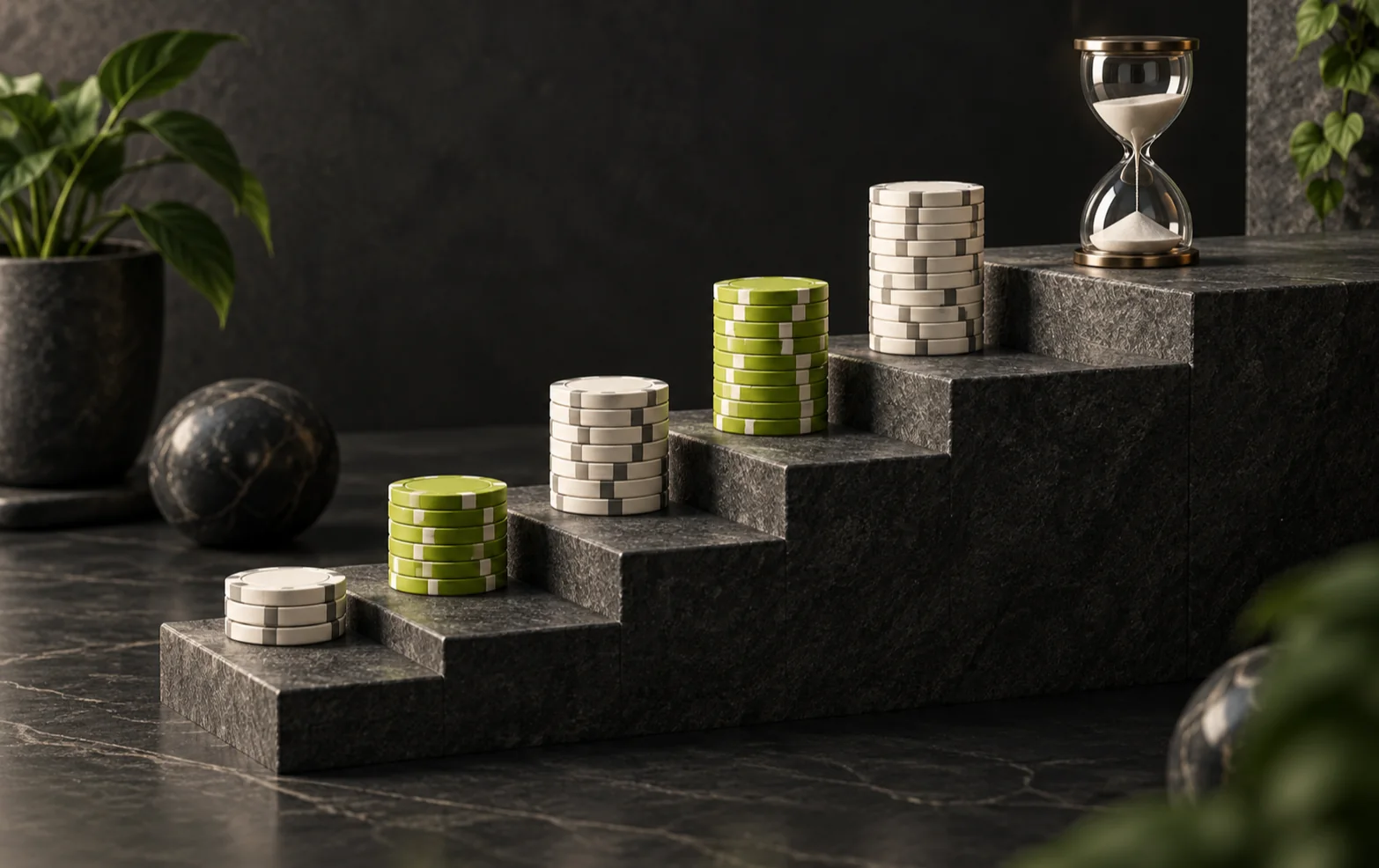
How to Plan a Home Poker Tournament Blind Structure
Build a workable schedule with starting stacks, blind increases, breaks, and room for the final hands
Read story
What Is Fold Equity in Poker? Formula and Examples
Learn how the chance of a fold adds value to a bet—and why that chance is never the whole decision
Read story
What Is a Continuation Bet in Poker? C-Bet Meaning and Examples
Learn when a flop bet counts as a c-bet, what it changes, and how to review one without betting by habit
Read story
What Is a 3-Bet in Poker? Meaning, Sizing, and Examples
Understand the first re-raise, what it changes, and how to review one without relying on a fixed recipe
Read story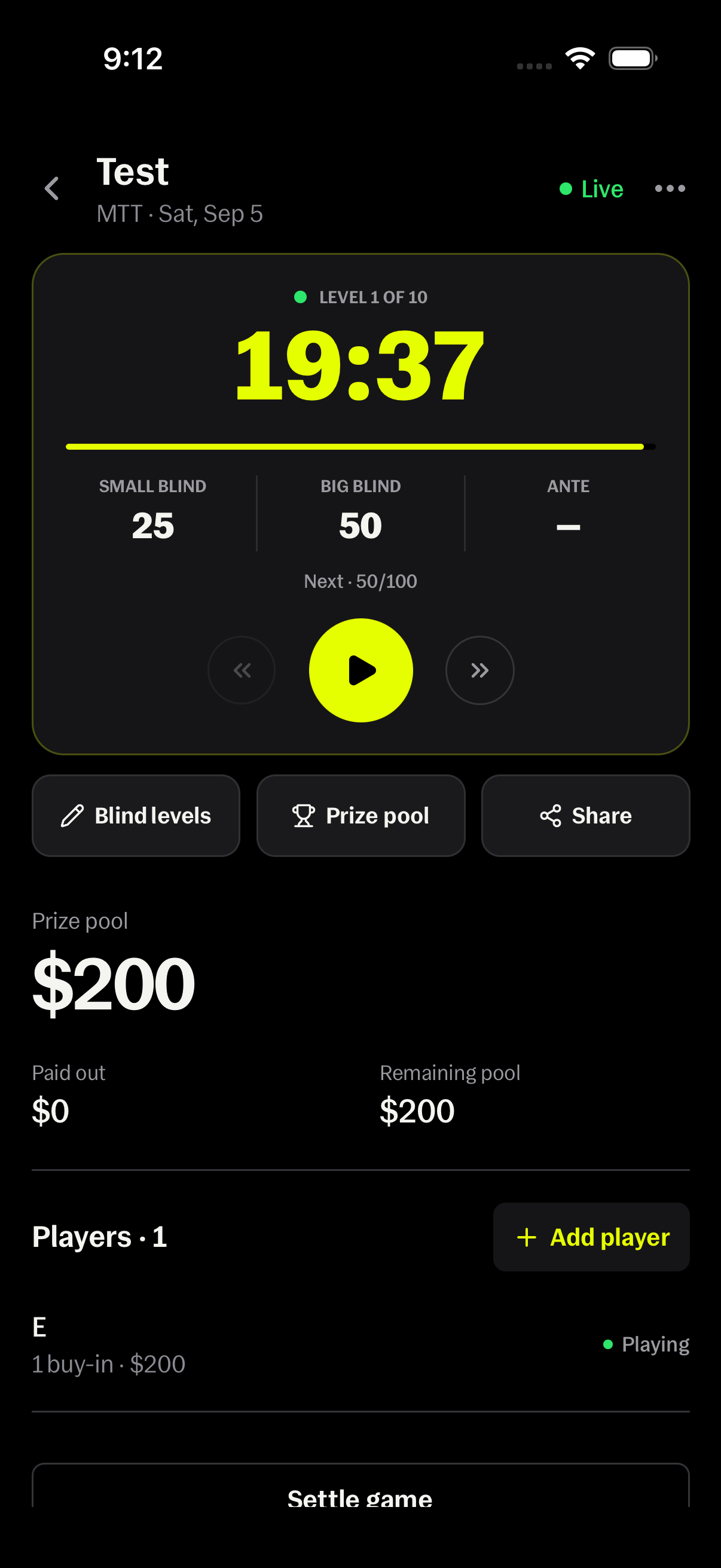
How to Organize a Home Poker Tournament Without Notes-App Chaos
Keep entries, blind levels, the live clock, prize money, and payouts in one tournament record
Read story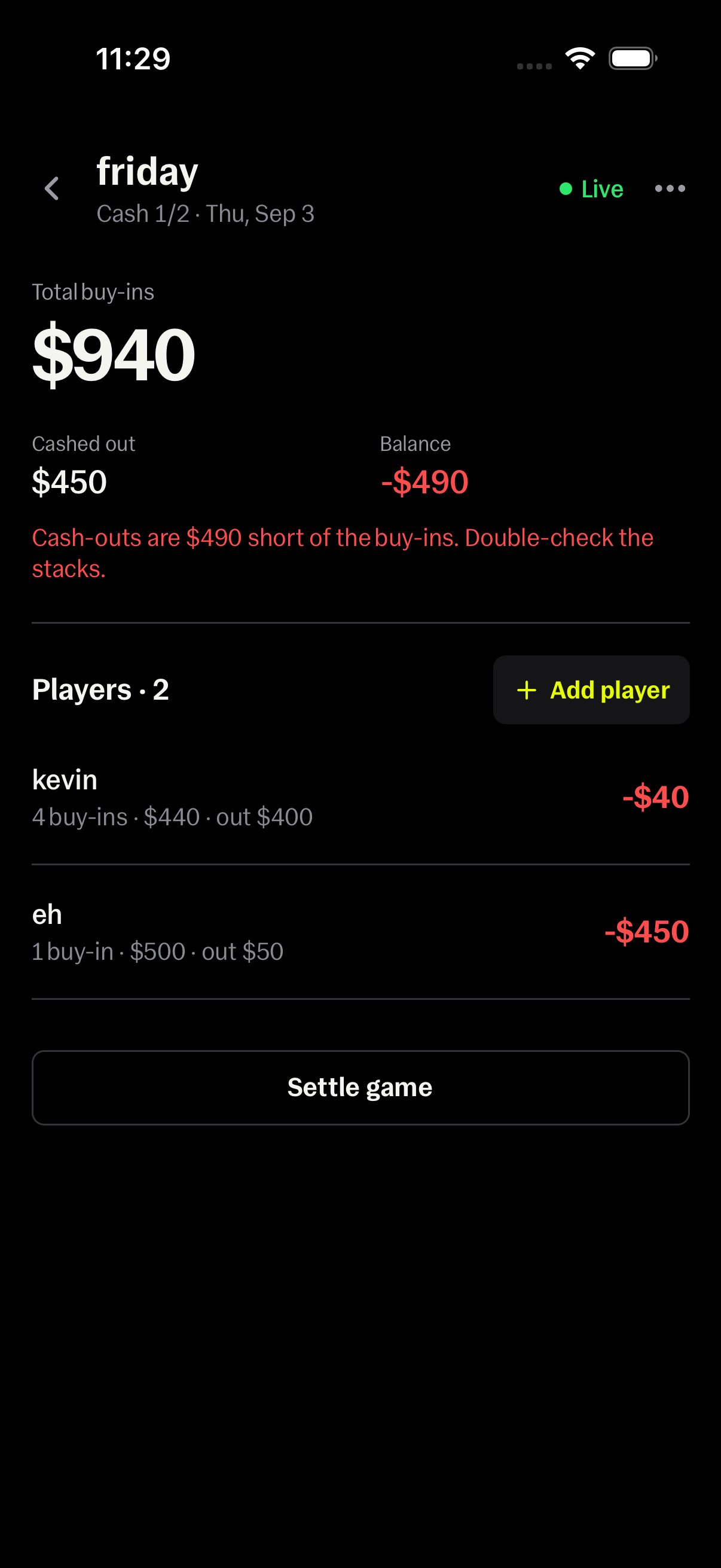
How to Track Home Poker Game Buy-Ins and Cash-Outs
A clean host workflow for rebuys, cash-outs, and a final balance that everyone can check
Read story
What Is MDF in Poker? How to Calculate Minimum Defense Frequency
Learn the range-level defense target behind a bet—and when not to follow it blindly
Read story
How to Organize Cash Games and Tournaments with Tells Ledger
Track the whole game from the first buy-in to a balanced final settlement
Read story
How to Run a Poker Study Group Hand Review
Use one hand, one decision, and a repeatable agenda to turn opinions into useful feedback
Read story
How to Put an Opponent on a Range in Poker
Narrow plausible hands street by street without guessing one exact holding
Read story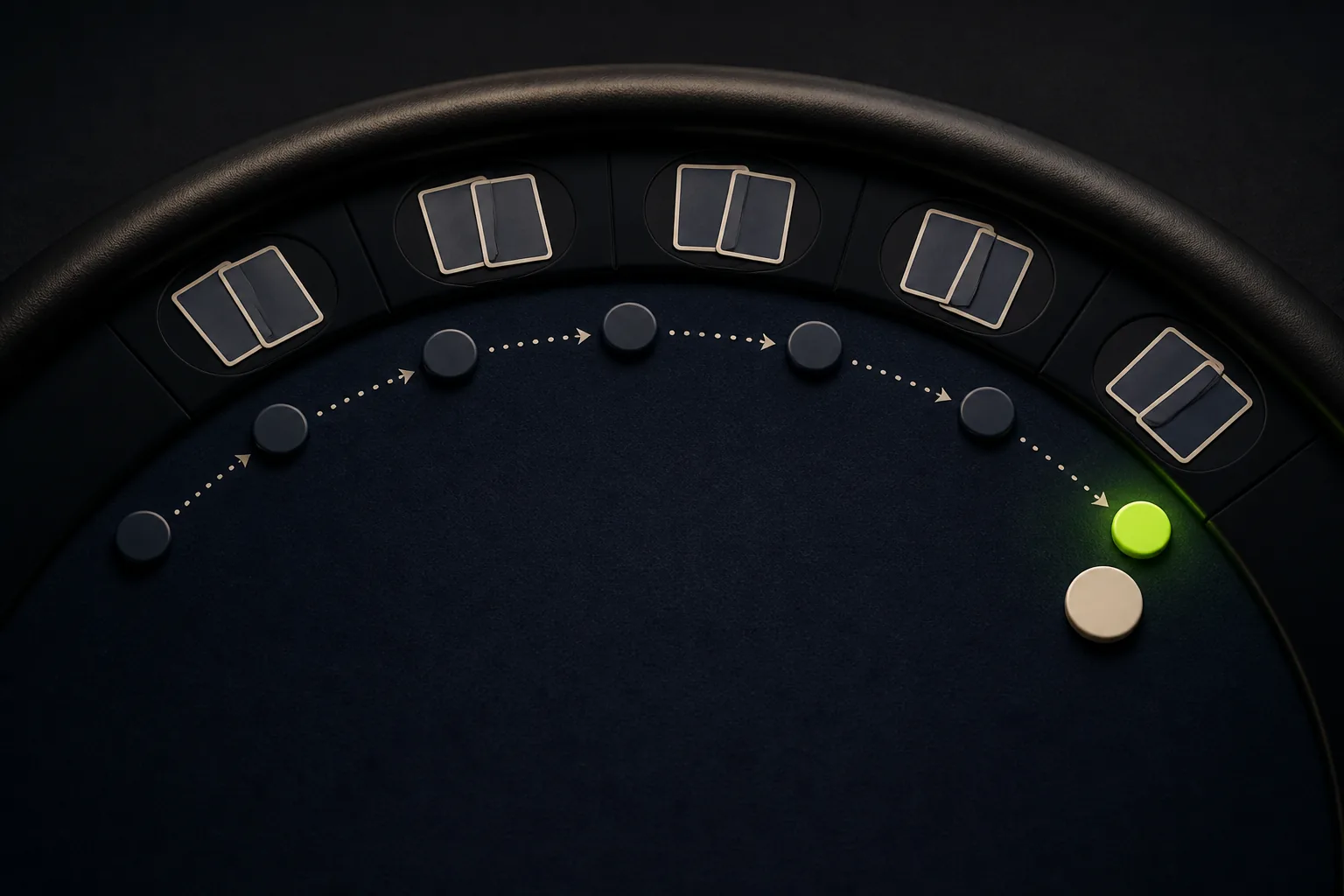
What Does Position Mean in Poker? In Position vs. Out of Position
Learn who acts first, who acts last, and why that order changes a hand
Read story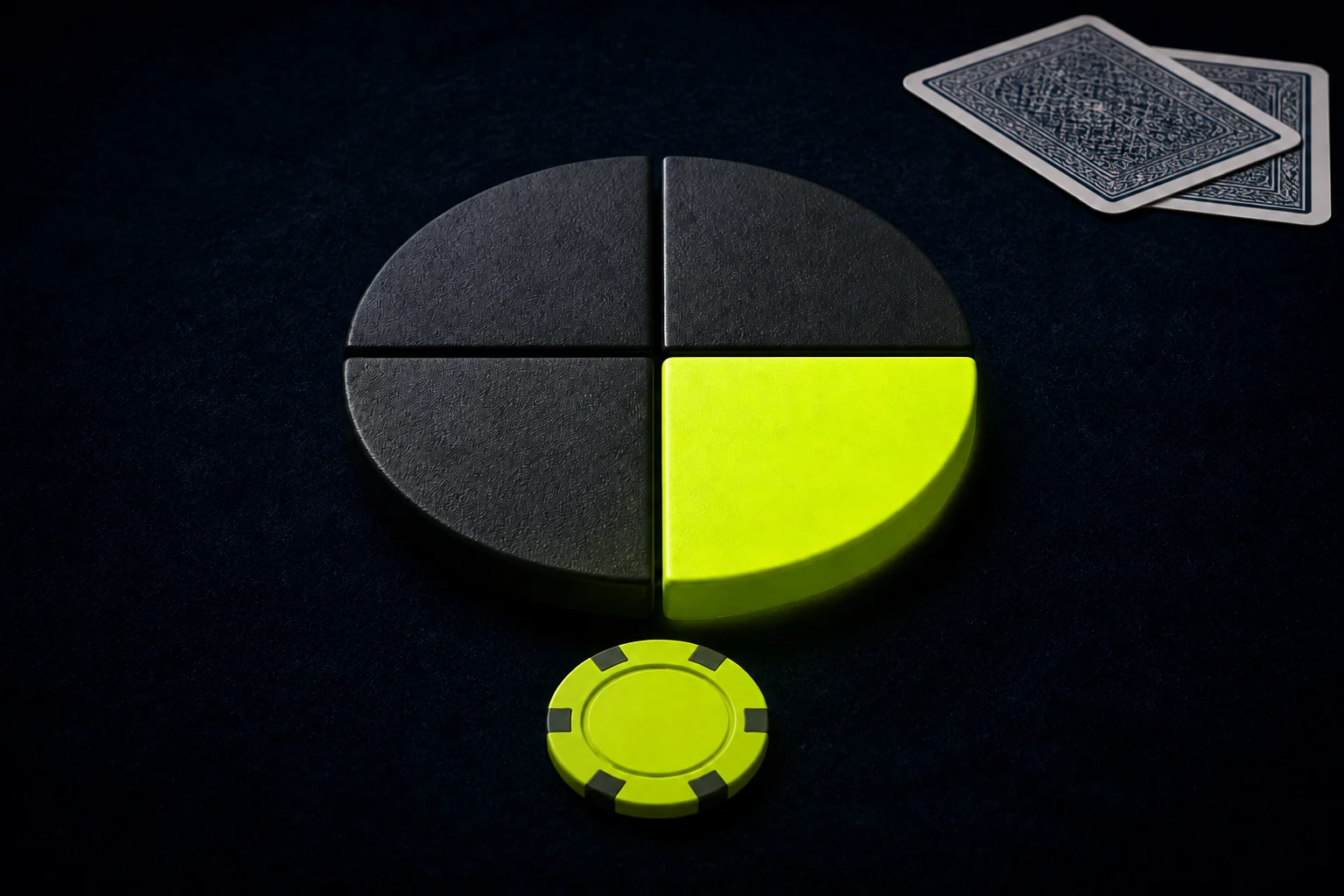
What Are Pot Odds in Poker? How to Calculate Them
Turn the price of a call into the equity threshold your hand must clear
Read story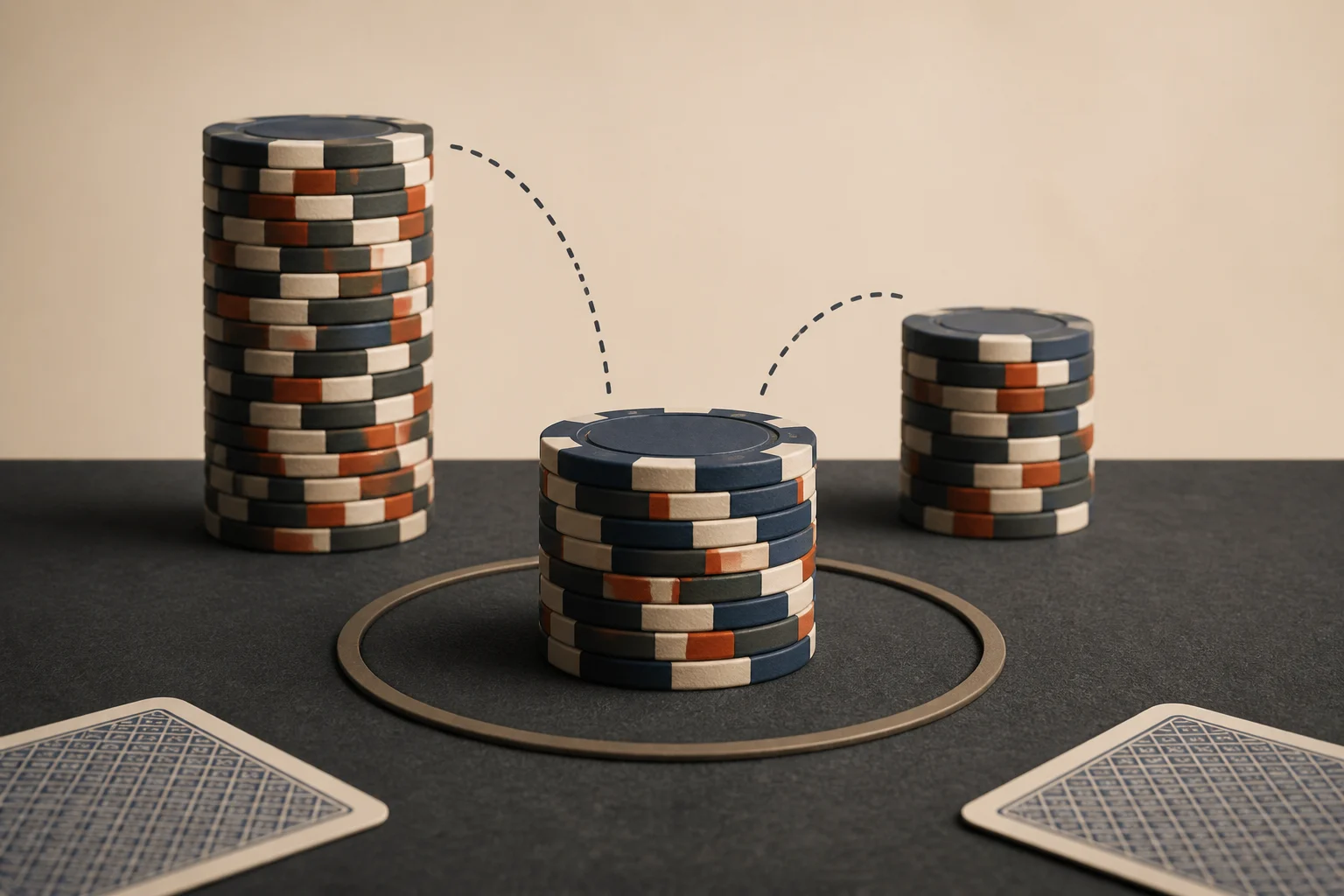
What Is SPR in Poker? How to Calculate Stack-to-Pot Ratio
Use the pot and effective stack to understand how much room a postflop decision has
Read story
How to Remember Poker Hands for Review After a Live Session
A practical recall routine for live players without automatic hand histories
Read story
What Is the Effective Stack in Poker? A Simple Guide for Hand Review
Calculate the stack that actually matters before you judge a decision
Read story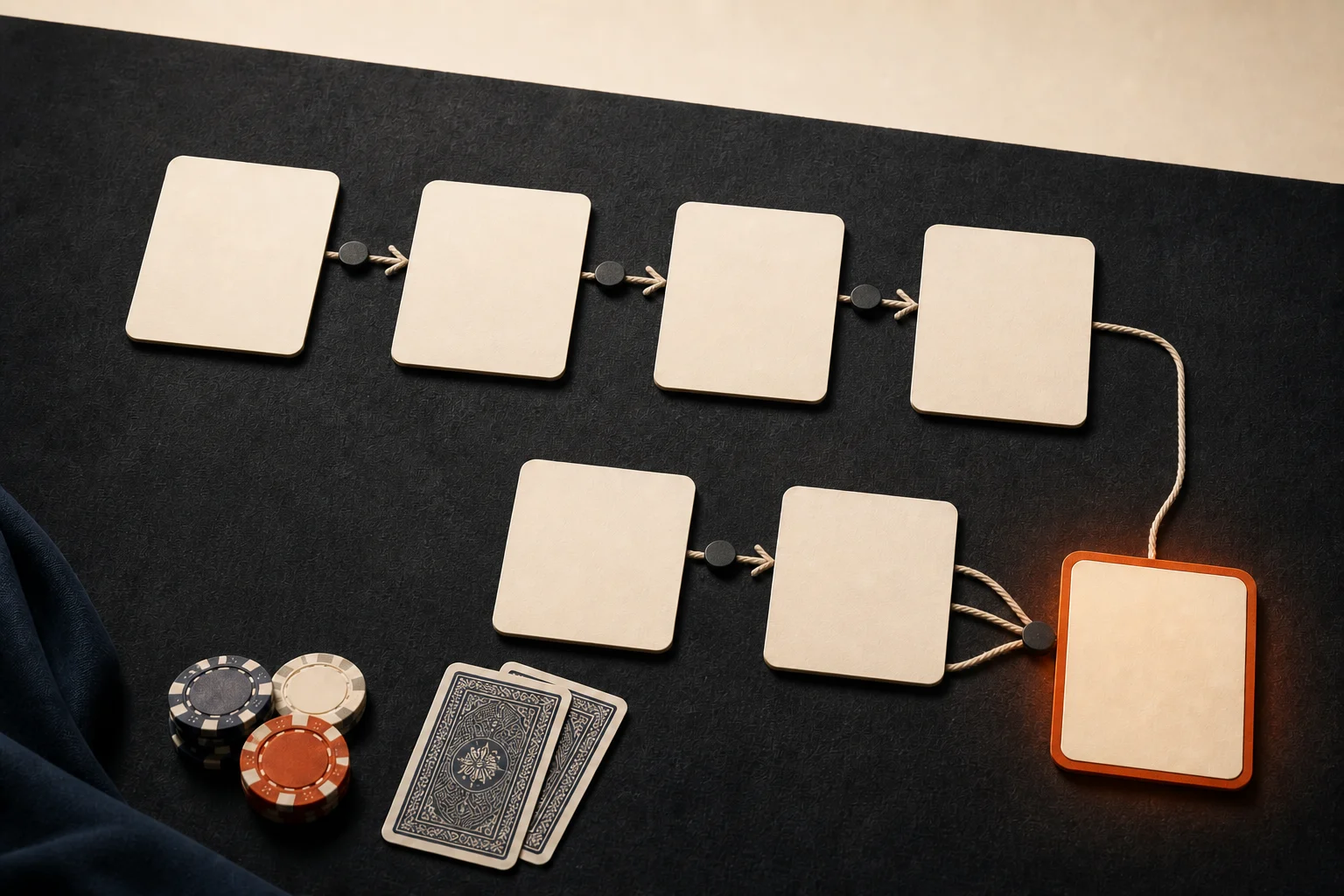
How to Review a Poker Hand: A 7-Step Post-Session Checklist
Turn one confusing spot into a decision you can use next time
Read story
Tells Poker Is Now Live on the App Store
Capture completed hands, replay every action, and keep the discussion attached
Read story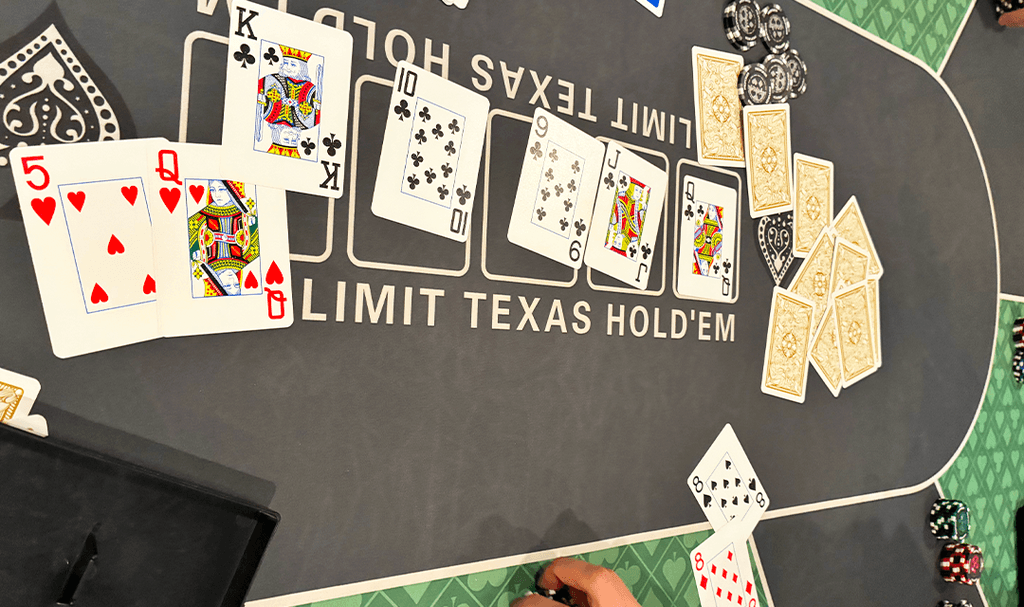
CMU x Tells Poker Tournament Recap
A night of big swings, rare runouts, and a champion crowned
Read story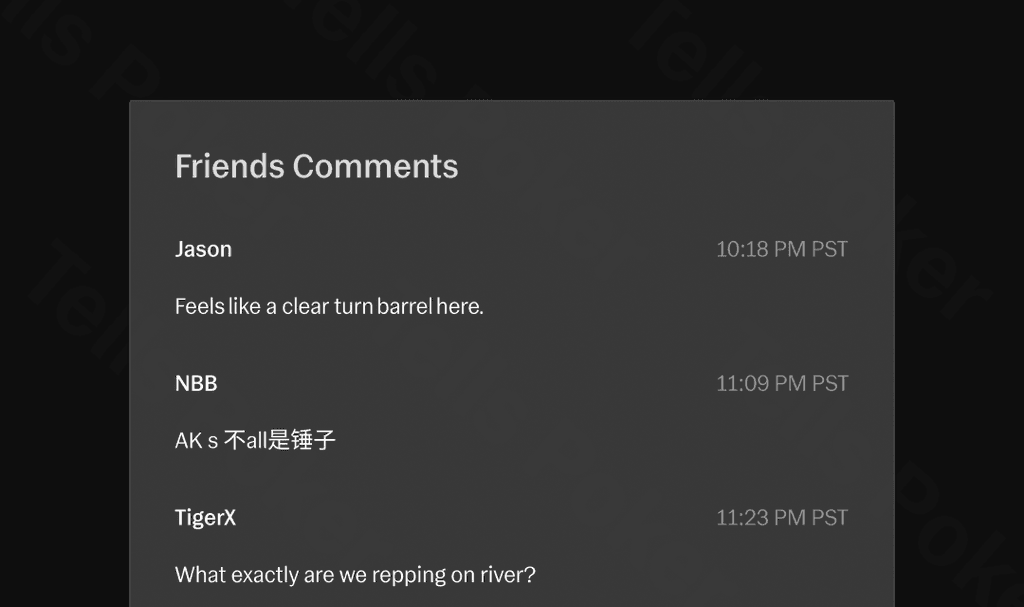
Share a Poker Hand Replay with a Friend on iPhone
Open the river decision in Safari and compare your reasoning.
Read story
You Don't Have to Study Alone
Friends, chat, and Table Talk keep poker discussion attached to the hand
Read story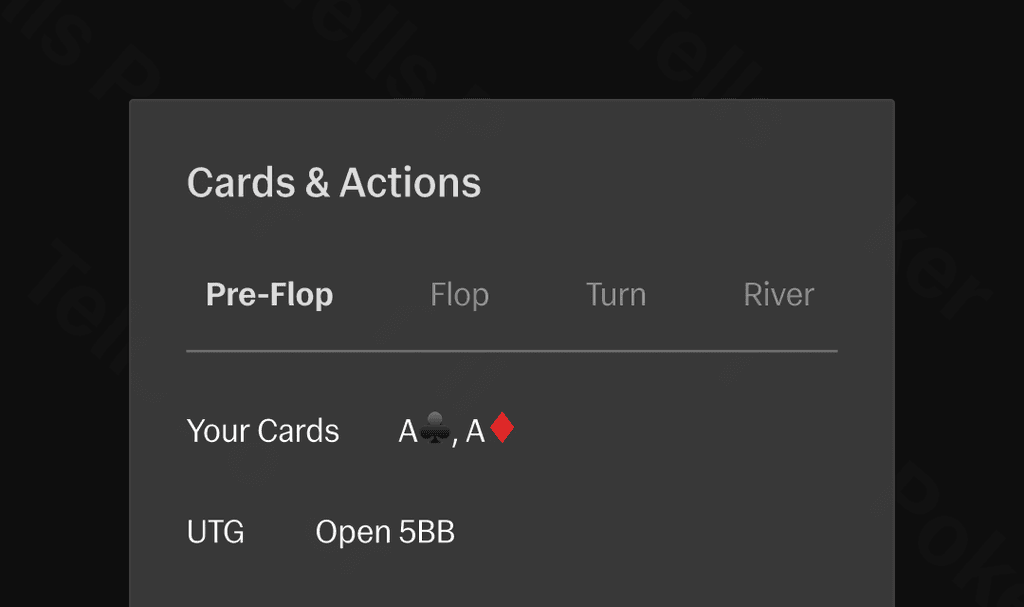
Share the Hand, Not Just the Bad Beat Story
Why shareable links change how you talk about poker
Read storyTells Poker: From One Tough Hand to a Clearer Next Decision
The current iOS workflow for capture, replay, analysis, sharing, games, and ledger
Read story